A Practical Guide: Experience Sharing on Gear Motor Model Selection in the Medical Equipment Field
The medical equipment field is a demanding landscape. Precision, reliability, and safety aren't just desirable; they're non-negotiable. At the heart of many medical devices lie gear motors, responsible for translating electrical energy into controlled mechanical motion. Selecting the right gear motor model is crucial for optimal performance and patient safety. This article shares practical experience and considerations for gear motor selection in the medical equipment industry, drawing on industry trends like miniaturization, energy efficiency, and the increasing integration of IoT.
The Unique Challenges of Medical Equipment
Unlike industrial applications where robustness is often prioritized above all else, medical devices face unique challenges. These include:
- High Precision & Accuracy: Many medical devices—surgical robots, infusion pumps, diagnostic equipment—require extremely precise and repeatable motion. Even slight deviations can have serious consequences.
- Compact Size & Lightweight Design: Space constraints are often a major concern, particularly in portable or implantable devices. Miniaturization is a constant drive.
- Reliability & Longevity: Equipment must operate reliably for extended periods, often under demanding conditions. Failure can lead to patient harm and significant financial repercussions.
- Silent Operation: Noise is a critical factor in patient comfort and clinical environments.
- Compliance with Regulations: Medical devices must adhere to stringent regulatory standards (FDA, CE, etc.) concerning safety, quality, and electromagnetic compatibility (EMC).
- Power Efficiency: Reduced power consumption translates to longer battery life in portable devices and lower operating costs.
These factors demand a more nuanced approach to gear motor selection than what might be considered in standard industrial applications.
Key Gear Motor Parameters to Consider
Selecting a suitable gear motor requires a deep understanding of critical parameters:
- Torque: The rotational force the motor can generate. This must be sufficient to overcome the load the device will be driving, with a safety margin for dynamic loads.
- Speed: The rotational speed of the output shaft. This directly impacts the device's functionality (e.g., infusion rate, surgical tool speed).
- Gear Ratio: Determines the relationship between input and output speed and torque. A higher gear ratio reduces speed but increases torque, and vice versa.
- Efficiency: The ratio of mechanical power output to electrical power input. Higher efficiency translates to less heat generation, longer battery life and lower energy bills. Energy efficiency is increasingly vital given current environmental concerns and the trend towards sustainable medical practices.
- Size and Weight: Crucial considerations for compact device design and portability.
- Noise Level: A critical factor for patient comfort and clinical acoustics.
- Operating Temperature Range: The range of temperatures the motor can reliably operate within, essential for diverse use cases and environmental conditions.
- IP Rating (Ingress Protection): Indicates the motor's resistance to dust and water ingress, critical for patient safety and device longevity. Higher IP ratings provide better protection.
- Motor Type: Permanent Magnet DC (PMDC) motors, Brushless DC (BLDC) motors, and Stepper motors are common choices, each offering different advantages and disadvantages. BLDC motors are gaining popularity due to their high efficiency, long life, and precise control.
Matching the Motor to the Application: Real-World Examples
Let's look at some practical examples:
- Infusion Pumps: These require very accurate control of flow rate. BLDC gear motors with high precision encoders are often used. Efficiency is paramount to extend battery life in portable pumps.
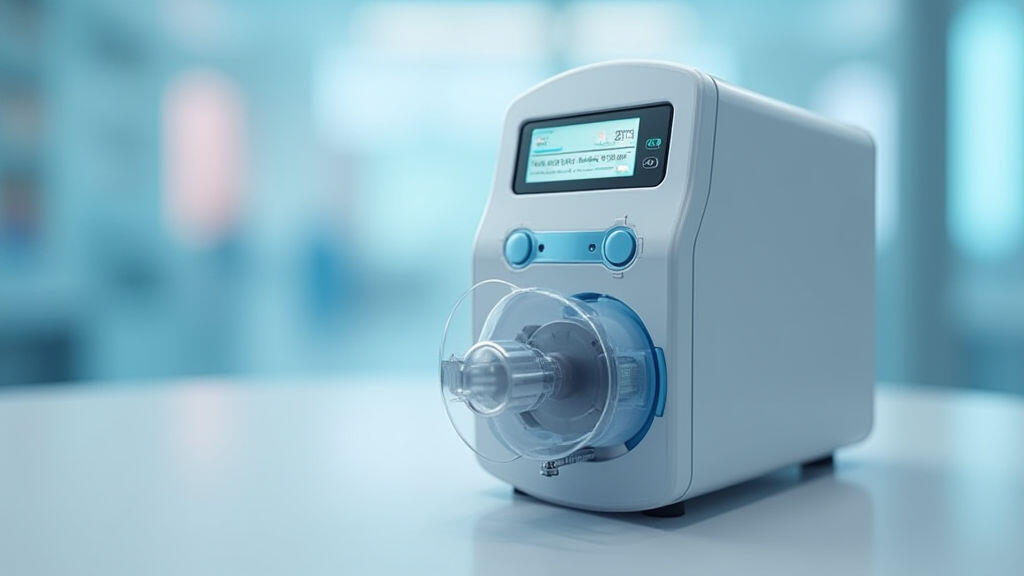
- Surgical Robots: Highly precise and smooth motion is essential. Custom-designed BLDC gear motors with high torque density and low backlash are common. Real-time control and feedback systems are integrated to ensure accuracy.
- Diagnostic Equipment (e.g., Ultrasound Machines): These applications often require a range of speeds and torques. Stepper motors or specialized gear motors with variable-speed capabilities can be employed.
- Dental Equipment: Miniature and precise gear motors are integral to many dental devices, such as electric handpieces and mixers.
MES-Drive has established itself as a trusted supplier of high-quality gear motors for the medical equipment sector. They offer a comprehensive range of solutions, including:
- Custom Motor Design: MES-Drive's engineering team can collaborate with customers to develop tailored gear motor solutions to meet specific application requirements.
- High-Efficiency Motor Options: MES-Drive offers a selection of highly efficient BLDC and PMDC motors to minimize energy consumption.
- Small Form Factor Motors: They excel in providing compact motor solutions for space-constrained applications.
- Compliance with Medical Device Standards: MES-Drive ensures that all their motors meet relevant regulatory requirements (RoHS, REACH, etc.).
- Robust Quality Control: Strict quality control processes ensure consistent performance and reliability.
Trending Towards IoT Integration and Predictive Maintenance
The medical equipment industry is increasingly embracing the Internet of Things (IoT). Integrating gear motors with IoT platforms allows for remote monitoring of motor performance, predictive maintenance, and proactive fault detection. This enhances device reliability and reduces downtime. Data gathered from motor sensors (temperature, vibration, current) can be analyzed to identify potential problems before they occur.
Furthermore, the trend towards personalized medicine is creating demand for smaller, more adaptable devices. This further drives the demand for miniaturized and highly efficient gear motors. Energy efficiency gains not only reduce operating costs but also contribute to reduced environmental impact – a significant concern for many medical device manufacturers.
Conclusion: Powering the Future of Medical Devices
Gear motor selection in the medical equipment field is a complex process that requires careful consideration of numerous factors. As medical devices become more sophisticated, compact, and connected, the demand for high-performance, reliable, and efficient gear motors will only continue to grow. The future of medical device design will be heavily influenced by advancements in motor technology, particularly in areas like BLDC motor efficiency, miniaturization, and IoT integration. Companies like MES-Drive are poised to play a vital role in powering this innovation by providing tailored solutions that meet the evolving needs of the industry. The increasing focus on energy efficiency coupled with IoT connectivity presents significant opportunities for future development and product differentiation in the medical equipment market.

Leave A Reply
Your email address will not be published. Required fiels are marked